Nagasaki Prefecture
Japanese prefecture with a history of foreign trade and Christian heritage.
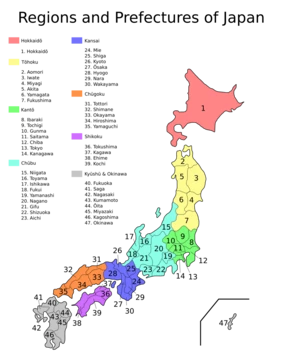
Nagasaki Prefecture, located mainly on the island of Kyūshū, also includes several islands off Kyūshū's northwest coast, such as Tsushima and Iki. As of February 1, 2025, its population is 1,246,481, and it covers an area of 4,130 square kilometers (1,594 square miles). It shares a border with Saga Prefecture to the northeast. The capital and largest city is Nagasaki, with other major cities including Sasebo, Isahaya, and Ōmura. The prefecture is noted for its long history of trade with Europeans and was the only point of direct exchange between Japan and the outside world during the Sakoku period of national isolation. It also contains several of the Hidden Christian Sites in the Nagasaki Region, recognized as a UNESCO World Heritage Site.
Nagasaki Prefecture was formed by merging the western half of the former Hizen province with the island provinces of Tsushima and Iki. Facing China and Korea, the area around Hirado was a traditional hub for traders and pirates. In the 16th century, Portuguese Catholic missionaries and traders arrived, becoming active in Hirado and Nagasaki, which grew into a major center for foreign commerce. After initial freedom under Oda Nobunaga, missionaries were gradually expelled, and by the Tokugawa era, Christianity was banned under the Sakoku policy. Japanese foreign trade was limited to Chinese and Dutch traders based at Dejima in Nagasaki. However, Kirishitan (Japanese Christian) worship continued in secret. These Kakure Kirishitan (hidden Christians) were forced to step on fumi-e—images of the Virgin Mary and saints—to prove they were not Christian. All Catholic missionaries and traders from Catholic countries were banished, along with their half-Japanese, half-European children. Most were sent to Jagatara (Jakarta), remembered locally for smuggling poignant letters back to their homeland. Today, Nagasaki has prominent Catholic churches, and the Hidden Christian Sites are on the UNESCO World Heritage List.
During the Meiji Restoration, Nagasaki and Sasebo became major foreign trade ports and later key military bases and shipbuilding centers for the Imperial Japanese Navy and Mitsubishi Heavy Industries until World War II. On August 9, 1945, the United States dropped an atomic bomb on Nagasaki, destroying all buildings within a certain radius of the impact point and heavily damaging other parts of the city. Roughly 39,000 people died, including 27,778 Japanese munitions workers, 2,000 Korean forced workers, and 150 Japanese soldiers. About 68–80% of industrial production was destroyed, taking months or at least a year to recover. The prefecture has many areas prone to heavy rain and landslides. In July 1957, mainly in the Isahaya area, heavy rains, flooding, and landslides caused 586 deaths, 136 missing, and 3,860 injured. In July 1982, typhoon damage in the Nagasaki area led to 299 fatalities, according to a Japanese government report.
Nagasaki borders Saga Prefecture to the east and is otherwise surrounded by water, including Ariake Bay, the Tsushima Straits (near Busan and South Gyeongsang Province, South Korea), and the East China Sea. It includes many islands such as Tsushima, Iki, and the Gotō Islands. Most of the prefecture lies near the coast, with ports like Nagasaki and a United States Navy base at Sasebo. As of April 1, 2014, 18% of the prefecture's land area was designated as Natural Parks: Saikai and Unzen-Amakusa National Parks; Genkai and Iki-Tsushima Quasi-National Parks; and Hokushō, Nishi Sonogi Hantō, Nomo Hantō, Ōmurawan, Shimabara Hantō, and Taradake Prefectural Natural Parks.
Thirteen cities are located in Nagasaki Prefecture: Nagasaki, Sasebo, Isahaya, Ōmura, Shimabara, Hirado, Matsuura, Gotō, Iki, Tsushima, Minamishimabara, Saikai, and Unzen. The prefecture also contains towns and villages in districts: Kitamatsuura District, Minamimatsuura District, Nishisonogi District, Kitatakaki District, Minamitakaki District, Kamiagata District, Shimoagata District, and Iki District. Several municipalities have been dissolved since 2000, including Emukae, Fukushima, Ikitsuki, Kosaza, Ōshima, Sechibaru, Shikamachi, Tabira, Takashima, Uku, and Yoshii in Kitamatsuura District; Arikawa, Kamigotō, Kishiku, Miiraku, Narao, Naru, Shin'uonome, Tamanoura, Tomie, and Wakamatsu in Minamimatsuura District; Iōjima, Kinkai, Kōyagi, Nomozaki, Ōseto, Ōshima, Saikai, Sakito, Sanwa, Seihi, Sotome, Takashima, and Tarami in Nishisonogi District; Iimori, Konagai, Moriyama, and Takaki in Kitatakaki District; Aino, Ariake, Arie, Azuma, Chidiwa, Fukae, Futsu, Kazusa, Kitaarima, Kuchinotsu, Kunimi, Minamiarima, Minamikushiyama, Mizuho, Nishiarie, and Obama in Minamitakaki District; Kamiagata, Kamitsushima, and Mine in Kamiagata District; Izuhara, Mitsushima, and Toyotama in Shimoagata District; and Ashibe, Gonoura, Ishida, and Katsumoto in Iki District.
Nagasaki is the most Christianized area in Japan, with Roman Catholic missions established as early as the 16th century. Shusaku Endo's novel *Silence* draws from the oral history of local Christian (Kirishitan) communities, both Kakure Kirishitan and Hanare Kirishitan. As of 2002, there were 68,617 Catholics in Nagasaki Prefecture.
- Capital
- Nagasaki
- Population
- 1,246,481 (1 February 2025)
- Area
- 4,130 km² (1,594 sq mi)
- Major Cities
- Nagasaki, Sasebo, Isahaya, Ōmura
- Bordering Prefecture
- Saga Prefecture (northeast)
- Known For
- Century-long trading history with Europeans; sole trade port during Sakoku; Hidd
Lore & Background
Nagasaki Prefecture was created by merging of the western half of the former province of Hizen with the island provinces of Tsushima and Iki. Facing China and Korea, the region around Hirado was a traditional center for traders and pirates. During the 16th century, Catholic missionaries and traders from Portugal arrived and became active in Hirado and Nagasaki, which became a major center for foreign trade. After being given free rein in Oda Nobunaga's period, the missionaries were forced out little by little, until finally, in the Tokugawa era, Christianity was banned under the Sakoku national isolation policy: Japanese foreign trade was restricted to Chinese and Dutch traders based at Dejima in Nagasaki. However, Kirishitan (Japanese Christian) worship continued underground. These Kakure Kirishitan (hidden Christians) were tried at every step, forced to step on fumi-e ("trample pictures", images of the Virgin Mary and saints) to prove that they were non-Christian. With the banishment of all Catholic missionaries, traders from Catholic countries were also forced out of the country. Along with them, their children, half Japanese and half European, were forced to leave. The majority was sent to Jagatara (Jakarta) and are still remembered by the locals as the people who wrote the poignant letters which were smuggled across the sea to their homeland. Today, Nagasaki has prominent Catholic churches, and the Hidden Christian Sites in the Nagasaki Region, have been included on the UNESCO World Heritage List.
Reader's Guide
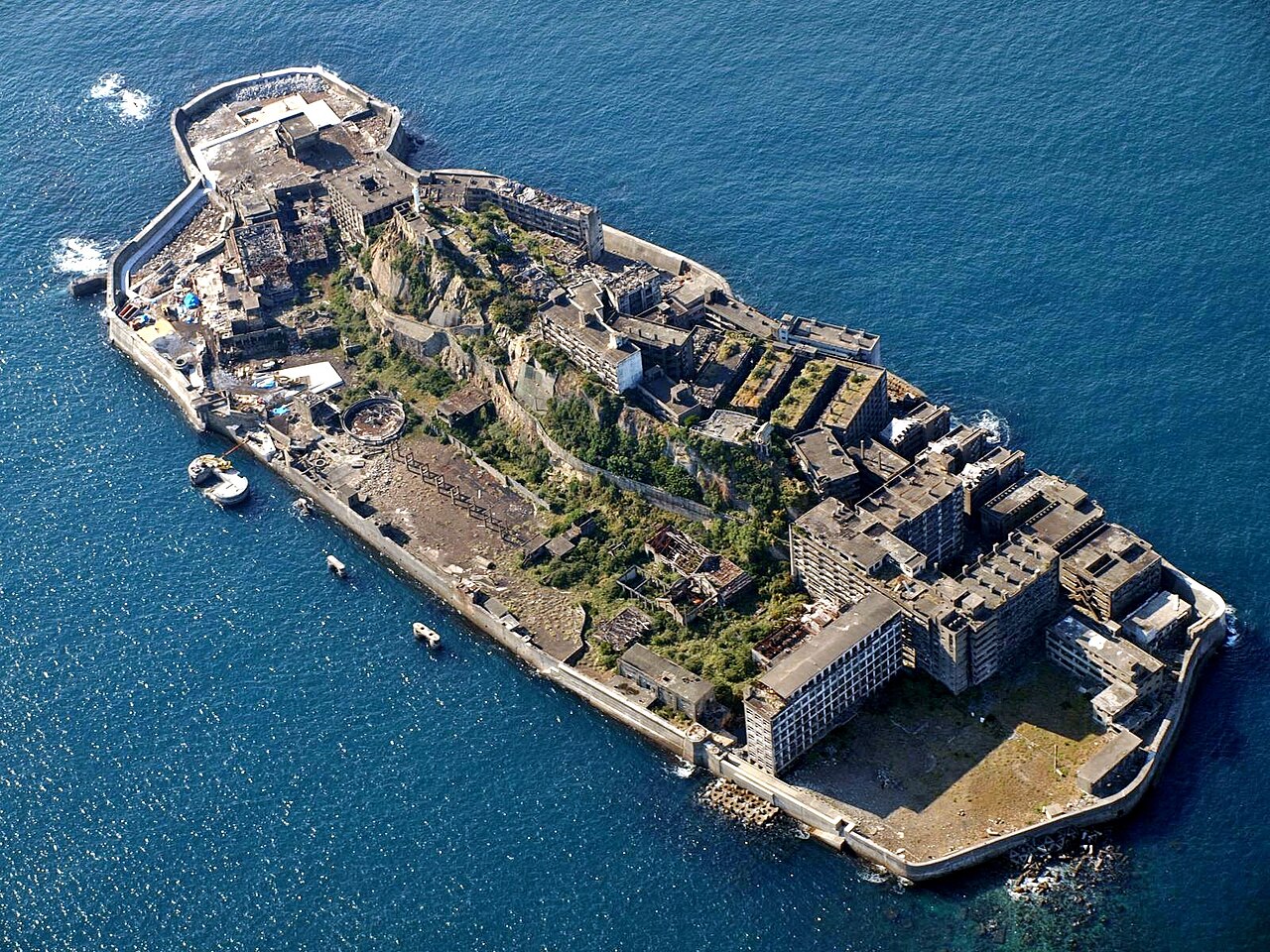
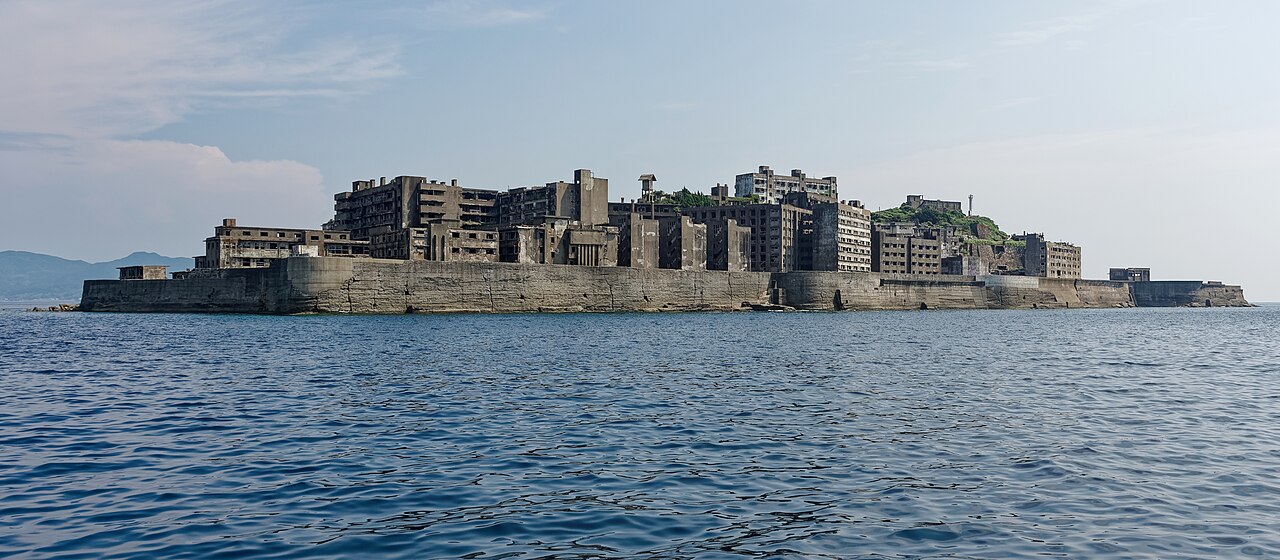
Nagasaki Prefecture's significance lies in its unique role as Japan's sole window to the outside world during the Sakoku period, a policy of national isolation that lasted over two centuries. This made Nagasaki a crucible of cultural and economic exchange, particularly with Chinese and Dutch traders based at Dejima. During the Meiji Restoration, Nagasaki and Sasebo became major ports for foreign trade and later military bases and shipbuilding centers for the Imperial Japanese Navy and Mitsubishi Heavy Industries up to World War II. On August 9, 1945, the United States dropped an atomic bomb on Nagasaki, destroying buildings within a 1.6-kilometer radius from the point of impact and killing roughly 39,000 people, including 27,778 Japanese munitions workers, 2,000 Korean forced workers, and 150 Japanese soldiers. The prefecture also suffers from heavy rain and landslide damage, with notable disasters in July 1957 (586 deaths, 136 missing, 3,860 injured) and July 1982 (299 fatalities from typhoon damage). Today, Nagasaki Prefecture is the most Christianized area in Japan, with 68,617 Catholics as of 2002, and its cultural legacy includes sites like Glover Garden, Hashima Island, and Ōura Church.
Did You Know?
- Nagasaki Prefecture was created by merging the western half of the former province of Hizen with the island provinces of Tsushima and Iki.
- During the Sakoku period, Japanese foreign trade was restricted to Chinese and Dutch traders based at Dejima in Nagasaki.
- On August 9, 1945, the United States dropped an atomic bomb on Nagasaki, killing roughly 39,000 people, including 27,778 Japanese munitions workers, 2,000 Korean forced workers, and 150 Japanese soldiers.
- In July 1957, heavy rains, flooding, and landslides in the Isahaya area led to a death toll of 586, with 136 people missing and 3,860 injured.
- As of 2002, there are 68,617 Catholics in Nagasaki Prefecture, accounting for 4.52 percent of the population.
The Port at the Edge of the World
Nagasaki Prefecture occupies a singular position in Japanese history as the nation's sole gateway to the outside world during centuries of deliberate isolation. In the sixteenth century, Portuguese missionaries and merchants established themselves in Hirado and Nagasaki, transforming the region into a vibrant hub of cross-cultural exchange. For a time under Oda Nobunaga, these foreign visitors enjoyed considerable freedom. That era of openness ended abruptly under the Tokugawa shogunate, when the Sakoku policy sealed Japan's borders. Trade was narrowed to a single artificial island, Dejima, where only Chinese and Dutch merchants were permitted to operate. Christianity was outlawed entirely, and the faithful were driven underground as Kakure Kirishitan, compelled at every turn to trample fumi-e images of Mary and the saints to prove they had renounced their beliefs. When Catholic nations were finally expelled, their mixed-heritage children were shipped to Jagatara, today's Jakarta, leaving behind letters smuggled across the sea that still move local communities. What began as a trading port became a place where faith was preserved in secret for generations.
August 9, 1945
By the mid-twentieth century, Nagasaki and its neighbor Sasebo had evolved into critical nodes of military industry, serving as shipbuilding centers for the Imperial Japanese Navy and Mitsubishi Heavy Industries. On the morning of August 9, 1945, the United States dropped an atomic bomb on the city of Nagasaki. The blast obliterated every structure within a 1.6-kilometre radius of the impact point and inflicted severe damage across the wider urban area. The human toll was staggering: approximately 39,000 people lost their lives, among them 27,778 Japanese munitions workers, 2,000 Korean forced laborers, and 150 Japanese soldiers. Industrial capacity was devastated, with an estimated 68 to 80 percent of production destroyed to the point where full recovery would take months or even a year. The prefecture's wartime role as a manufacturing and naval hub made it a specific target, and the aftermath left a scar that reshaped the region's identity for generations to come.
An Archipelago of Peninsulas and Islands
Nagasaki Prefecture is defined as much by water as by land. Spanning 4,130 square kilometres and home to roughly 1.25 million residents, the prefecture sits in western Kyūshū but stretches far beyond the main island. Its mainland territory is composed of numerous peninsulas arranged around Ōmura Bay, while its island holdings extend into the Korea Strait—Tsushima and Iki lie relatively close to Busan and South Gyeongsang Province in South Korea—and into the East China Sea, where the Gotō archipelago drifts. The prefecture is bounded on the east by Saga Prefecture and otherwise ringed by Ariake Bay, the Tsushima Straits, and the open sea. This maritime character supports a dense network of ports, including a United States Navy installation at Sasebo. Despite its compact size, 18 percent of the land area is protected as natural parkland, encompassing the Saikai and Unzen-Amakusa National Parks, the Genkai and Iki-Tsushima Quasi-National Parks, and several prefectural parks along the Shimabara and Nishi Sonogi peninsulas.
Faith That Endured in Secret
No region in Japan carries a deeper imprint of Christianity than Nagasaki Prefecture. Roman Catholic missions took root here as early as the sixteenth century, and even after the Tokugawa authorities banned the faith and expelled all Western priests, the local community refused to let their devotion die. The Kakure Kirishitan—hidden Christians—practised their religion in secret for generations, enduring periodic trials and the requirement to trample sacred images. Their story is so central to the region's identity that it inspired Shusaku Endo's novel Silence, which draws on the oral traditions of both Kakure Kirishitan and Hanare Kirishitan communities. Today the prefecture remains the most Christianized in the country, with roughly 68,600 Catholics representing about 4.5 percent of the population. The Hidden Christian Sites in the Nagasaki Region earned UNESCO World Heritage status, and prominent Catholic churches such as Ōura Church and Urakami Cathedral stand as visible testaments to a faith that survived centuries of persecution.
Gallery


Frequently Asked Questions
Who is Nagasaki Prefecture?
Nagasaki Prefecture is a Japanese prefecture anchored on the northwestern tip of Kyūshū and stretching out to offshore islands like Tsushima and Iki. It was assembled by folding the western half of the old Hizen province together with those two island provinces into a single administrative unit.
What is Nagasaki Prefecture known for or what is its 'power'?
Its defining trait is a centuries-long tradition of European trade, and during the Sakoku isolation era it was literally the only port where Japan could exchange goods and ideas with the outside world. That singular role gave the region a cultural blend no other prefecture shares.
Where is Nagasaki Prefecture located and who are its neighbors?
The prefecture covers roughly 4,130 square kilometers on the Kyūshū coast plus scattered islands, and its only land border is with Saga Prefecture to the northeast. Major urban centers include the capital Nagasaki, Sasebo, Isahaya, and Ōmura, supporting a population of about 1.25 million.
What is Nagasaki Prefecture's story with the Hidden Christian Sites?
During long periods of persecution, local believers maintained secret worship in caves and remote villages, and those locations now form the Hidden Christian Sites in the Nagasaki Region. UNESCO recognized the group as a World Heritage Site, cementing the prefecture's reputation for quietly preserving a forbidden faith.
Why does Nagasaki Prefecture matter in the bigger picture of Japan?
Because it was the nation's sole window to the West during the closed-country period, Nagasaki shaped how foreign technology, religion, and culture filtered into Japanese society. Its identity as a crossroads of East and West remains the core of its narrative to this day.
More in Prefectures Of Japan 1-24
Spotted an error? Know more?
This is a living reference — every entry is fact-audited, and reader corrections feed straight into our audit queue. Suggest an edit · See this site's audit record