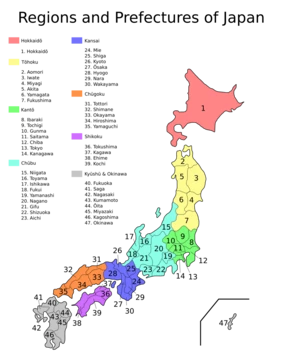
Fukui Prefecture
A Japanese prefecture on the Sea of Japan coast.

via Wikipedia: Fukui Prefecture · see source
Fukui Prefecture is a prefecture of Japan located in the Chūbu region of Honshū, on the Sea of Japan coast. It is part of the historic Hokuriku region and was formed in 1871 from the old provinces of Wakasa and Echizen. The prefecture is known for its dinosaur fossil excavations, traditional papermaking, and as the site of several nuclear power plants supplying the Keihanshin metropolitan region.
- Capital
- Fukui
- Region
- Chūbu (Hokuriku), Honshū, Japan
- Known for
- Dinosaur fossils, Echizen paper, glasses production, nuclear power plants
Verified Timeline
Lore & Background
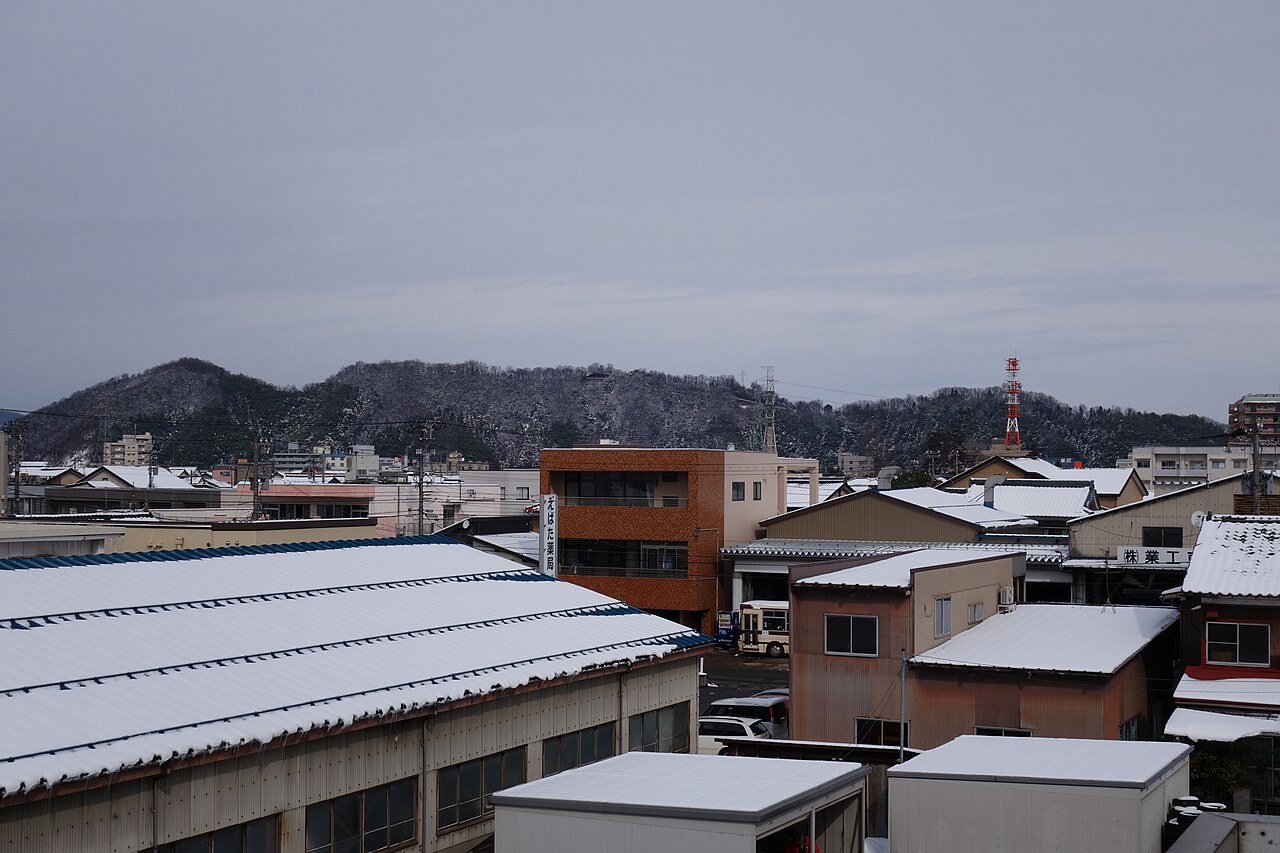
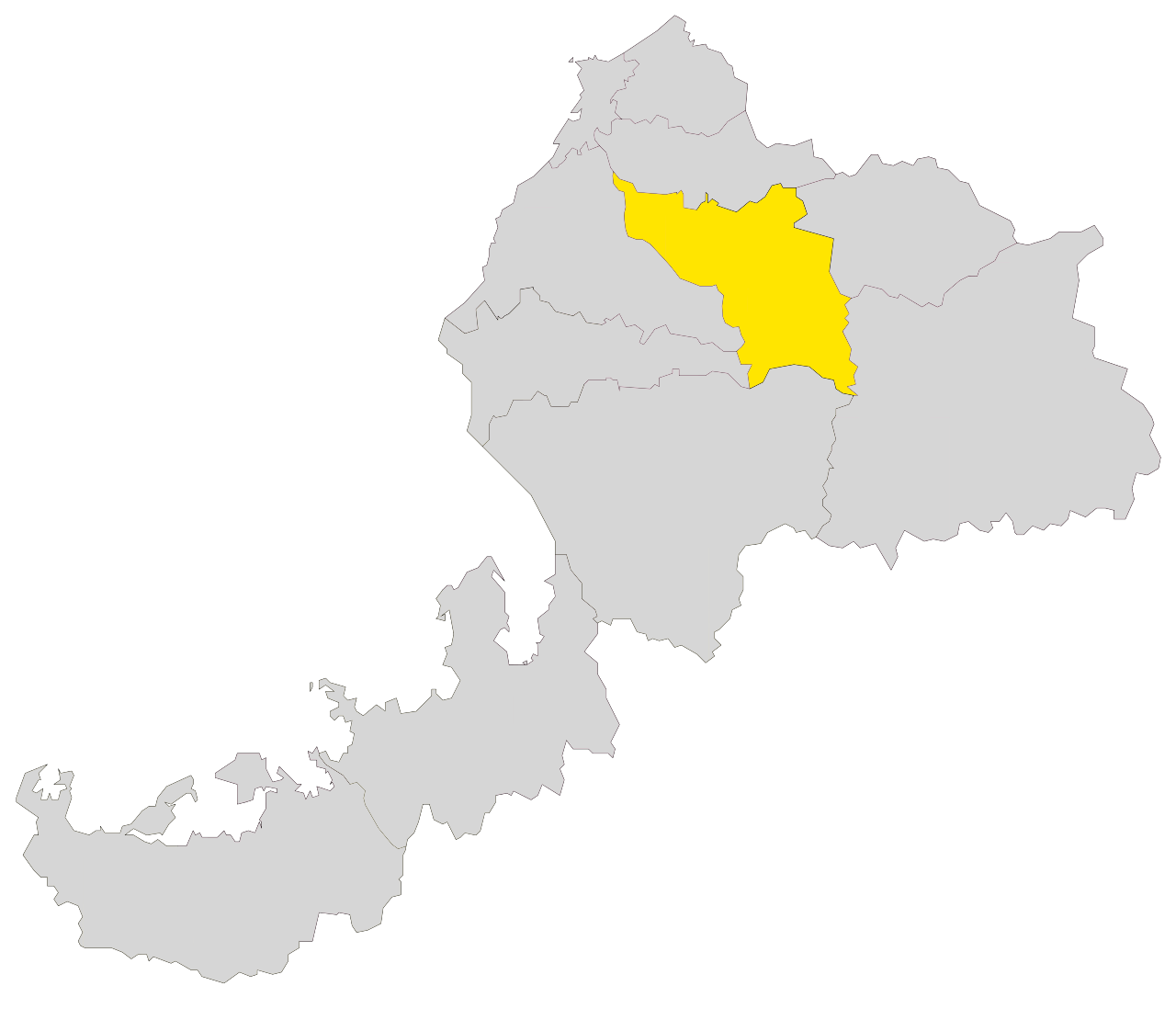
Fukui Prefecture originally consisted of the old provinces of Wakasa and Echizen before being formed in 1871. During the Edo period, the daimyō of the region was surnamed Matsudaira, a descendant of Tokugawa Ieyasu, and was headquartered at Fukui Castle. During World War II, Fukui was heavily bombed and its castle was demolished; the prefectural government buildings now occupy the castle site. The prefecture faces the Sea of Japan and has a western part that is a narrow plain between mountains and the sea, and a larger eastern part with wider plains containing the capital and most of the population. It lies within Japan's 'snow country'.
Reader's Guide
Fukui Prefecture holds significance for its contributions to Japanese culture, economy, and paleontology. The prefecture is a center for traditional Echizen papermaking and produces 90% of Japan's domestically made glasses in Sabae. Its Kitadani Dinosaur Quarry has yielded numerous dinosaur fossils, including Fukuiraptor and Fukuisaurus, displayed at the Fukui Prefectural Dinosaur Museum. Fukui also hosts 14 nuclear reactors along Wakasa Bay, the most of any Japanese prefecture, supplying power to the Keihanshin region.
Did You Know?
- Fukui Prefecture has 14 nuclear reactors, the most of any prefecture in Japan.
- Sabae produces 90% of Japan's domestically made glasses.
- The Kitadani Dinosaur Quarry has yielded dinosaurs such as Fukuiraptor and Fukuisaurus.
Prehistoric Legacy & Dinosaur Heritage
Fukui Prefecture occupies a remarkable place in Japan's geological record, owing to the Kitadani Formation and the Kitadani Family of fossils discovered along the Sugiyama River within the city of Katsuyama. The Kitadani Dinosaur Quarry has produced an extraordinary roster of prehistoric creatures, including Fukuiraptor, Fukuisaurus, Nipponosaurus, Koshisaurus, Fukuivenator, the massive Fukuititan and Tambatitanis, as well as an as-yet-unnamed dromaeosaurid. These finds have cemented the region's reputation as one of the country's premier sites for Mesozoic-era paleontology. Today, visitors can explore the breadth of these excavations at the Fukui Prefectural Dinosaur Museum, also located in Katsuyama, where the specimens are displayed for public study. The concentration of named species bearing the "Fukui" prefix underscores how deeply the prefecture's identity is intertwined with its deep-time past, making the quarry not merely a scientific resource but a cornerstone of local cultural pride.
Historical & Cultural Heritage
The layered history of Fukui stretches from the Edo-period governance of the Matsudaira clan, a lineage descended from Tokugawa Ieyasu, to the modern era. The clan's seat at Fukui Castle, once ringed by a moat, was destroyed during the heavy bombing of World War II; the prefectural government buildings now occupy that very site. Beyond the castle, the prefecture preserves an impressive array of cultural landmarks. The Ichijōdani Asakura Family Historic Ruins stand among Japan's most significant heritage sites, while Eihei-ji, a Zen temple founded by Dogen Zenji in 1244, spans roughly 33 hectares and continues to serve as a training ground for Buddhist monks. Myōtsū-ji's Three-storied Pagoda and Main Hall hold the designation of National Treasures, and Maruoka Castle, constructed in 1576, remains the oldest standing castle structure in the country. The region's artisanal traditions are equally storied: the Echizen Papermaking Cooperative carries forward a centuries-old papermaking craft, and the local dialect, Fukui-ben, marks residents with a distinctive linguistic identity.
Economy & Industry
Fukui's economic profile is shaped by two striking pillars: precision manufacturing and energy production. The city of Sabae is the undisputed heart of Japan's domestic eyewear industry, responsible for roughly ninety percent of all glasses made within the country. On the energy front, the coastal city of Tsuruga, situated along Wakasa Bay, hosts a cluster of nuclear power plants that collectively operate fourteen reactors—the highest number of any prefecture in Japan. The electricity generated there is primarily channeled to the Keihanshin metropolitan region, making Fukui a critical supplier to one of the nation's largest urban agglomerations. Complementing these industrial strengths, the prefecture's clean water and fertile agricultural output support a thriving food culture centered on sake brewing, rice cultivation, and soba noodle production. Local seafood traditions add further character: Echizen crabs are a year-round delicacy with a peak winter season, and the small fish known as genge, served raw as sashimi, delivers a distinctive tingling sensation to the diner.
Demographics & Modern Challenges
Fukui Prefecture, with a population of approximately 737,000 spread across 4,190 square kilometers, is one of Japan's less densely populated prefectures and faces the demographic pressures common across the country. By mid-2015, nearly 29 percent of residents were over sixty-five, and the total population had already slipped by 2.6 percent from the 806,000 recorded in the 2010 national census. In response to this decline, the prefectural government launched the Fukui Marriage-Hunting Café dating website in August 2010, offering monetary aid and gifts to couples who meet through the platform and go on to marry. Geographically, the prefecture sits within Japan's "snow country," with a narrow coastal plain in the west (the former Wakasa province) and broader, more populous plains in the east (the former Echizen province). Fifteen percent of the total land area is protected as Natural Parks, including Hakusan National Park and the Echizen-Kaga Kaigan and Wakasa Wan Quasi-National Parks, preserving the rugged coastline and mountainous terrain that define the region's character.
Gallery

More in Prefectures Of Japan 1-24
Related in Prefectures Of Japan
Links follow this subject's own source article.
Elsewhere in the Prefectures Of Japan universe
Spotted an error? Know more?
This is a living reference — every entry is fact-audited, and reader corrections feed straight into our audit queue. Suggest an edit · See this site's audit record