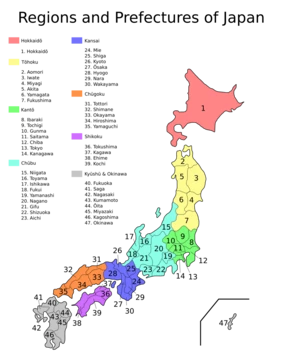
Niigata Prefecture
Prefecture on the Sea of Japan, known for rice and sake.

Wikipedia / Wikimedia Commons
Niigata Prefecture is a prefecture in the Chūbu region of Honshu of Japan. Niigata Prefecture has a population of 2,071,066 (as of 1 October 2025) and is the fifth-largest prefecture of Japan by geographic area at 12,584.18 km². Niigata is the capital and largest city. The prefecture contains the Niigata Major Metropolitan Area centered on Niigata with a population of 1,395,612, the largest metropolitan area on the Sea of Japan coast and the twelfth-largest in Japan. Niigata Prefecture is part of the historic Hokuriku region and features Sado Island, the sixth largest island of Japan in area following the four main islands and Okinawa Island.
- Population
- 2,071,066 (as of 1 October 2025)
Verified Timeline
Lore & Background
Until after the Meiji Restoration, the area that is now Niigata Prefecture was divided into Echigo Province (on the mainland) and Sado Province. During the Sengoku period, the Nagao clan, who were at times vassals to the Uesugi, ruled a fief in the western part of modern Niigata from Kasugayama Castle. The most notable member of the Nagao clan was Nagao Kagetora, later and better known as Uesugi Kenshin. He unified the leaders of Echigo Province and became its sole ruler. The city of Niigata was the first Japanese port on the Sea of Japan to be opened to foreign trade following the opening of Japan by Matthew Perry. A freighter from North Korea visits Niigata once a month, in one of the few forms of direct contact between Japan and that country. The Etsuzankai organization, led by the politician Kakuei Tanaka, was highly influential in bringing infrastructure improvements to Niigata Prefecture in the 1960s and 1970s, including the Jōetsu Shinkansen high-speed rail line and the Kanetsu Expressway to Tokyo. On October 23, 2004, the Chūetsu earthquake struck Niigata Prefecture and was measured at Shindo 6+ at Ojiya. On January 9, 2006, a heavy winter storm struck the prefecture and its neighbors; at least 71 people died and more than 1,000 were injured. Also in 2006, a massive tsunami and earthquake damaged homes and caused casualties in the maritime areas of Niigata Prefecture, especially near Sado Island. On July 16, 2007, another earthquake hit the area.
Reader's Guide
The major industry in Niigata Prefecture is agriculture. Rice is the principal product, and among the prefectures of Japan Niigata ranks first in rice output, followed by Hokkaido and Akita. The area around Uonuma is known for producing the Koshihikari variety, widely considered to be the highest-quality rice produced in Japan. Niigata Prefecture is known throughout Japan for its high-quality sake, senbei, mochi, and arare. In sake production, the prefecture comes third after Gunma and Kyoto prefectures. The prefecture was also the place of origin of the ornamental carp known as koi. Niigata Prefecture produces the highest volume of azaleas and cut lilies in Japan, and along with Toyama Prefecture, it produces the highest volume of tulips in the country. Crude oil is produced in Niigata Prefecture. Kinzan, on Sado Island, was an active gold mine until it was closed in 1989. Sanjō and Tsubame produce 90 percent of all the silverware made in Japan. The two cities are second after Osaka in the production of scissors, kitchen knives, nail clippers and wrenches. A nuclear power plant, which formerly had the highest energy output in the world, is located in the tiny village of Kariwa; it has been closed since the Fukushima Daiichi nuclear disaster. Niigata Prefecture hosts the Fuji Rock Festival, an annual event held at the Naeba ski resort. The three-day event, organized by Smash Japan, features more than 200 Japanese and international musicians. It is one of the largest outdoor music events in Japan, with more than 100,000 people attending in 2005. Much of the tourism in Niigata centers around skiing, especially in the alpine areas of Myōkō and Yuzawa, and going to onsen.
Did You Know?
- Niigata Prefecture is the fifth-largest prefecture of Japan by geographic area at 12,584.18 km².
- The Niigata Major Metropolitan Area has a population of 1,395,612, the largest metropolitan area on the Sea of Japan coast.
- Sado Island, part of Niigata Prefecture, is the sixth largest island of Japan in area following the four main islands and Okinawa Island.
- The mouth of the Shinano River, the longest river in Japan, is located in Niigata Prefecture.
- A nuclear power plant in the village of Kariwa formerly had the highest energy output in the world.
Geography & Natural Landscape
Niigata Prefecture stretches roughly 240 kilometers along the Sea of Japan, forming a long coastal plain sandwiched between mountain ranges and open water. Spanning 12,584 square kilometers, it ranks as the fifth-largest prefecture by area in Japan. The territory is traditionally divided into four zones: Jōetsu in the south, Chūetsu at the center, Kaetsu to the north, and the offshore Sado Island—the sixth-largest island in the country after the four main islands and Okinawa. The mouth of the Shinano River, Japan's longest waterway, empties into the prefecture's coast. A remarkable quarter of the total land area is protected as natural parks, including Bandai-Asahi, Chūbu-Sangaku, Nikkō, and Oze National Parks, plus Echigo Sanzan-Tadami and Sado-Yahiko-Yoneyama Quasi-National Parks and thirteen prefectural parks. The prefecture sits at the crossroads of the Hokuriku and Kōshinetsu sub-regions within the broader Chūbu area, bordered by Toyama, Nagano, Gunma, Fukushima, and Yamagata.
Agricultural & Culinary Heritage
Agriculture anchors the Niigata economy, with the prefecture claiming the top spot in Japanese rice output, ahead of Hokkaido and Akita. The Uonuma area is particularly celebrated for Koshihikari, a variety widely regarded as the finest rice in the country. This grain abundance extends into a rich food culture: Niigata is renowned nationwide for premium sake, ranking third behind Gunma and Kyoto, as well as for senbei rice crackers, mochi, and arare. The prefecture also holds the distinction of being the birthplace of koi, the ornamental carp now raised worldwide. In horticulture, Niigata leads Japan in azalea and cut lily production, and shares the top tulip output with Toyama. Regional dishes include shōyu katsudon, shōyu sekihan, noppe stew, and wappa-meshi, a preparation of seafood and rice steamed in bamboo. This deep connection to grain and the sea gives the prefecture a culinary identity that is both humble and widely celebrated.
Historical Depth & Trade Legacy
Before the Meiji Restoration, the land now called Niigata was split between Echigo Province on the mainland and Sado Province offshore. During the Sengoku era, the Nagao clan governed western Echigo from Kasugayama Castle, and their most famous member, Nagao Kagetora, assumed the name Uesugi Kenshin. By unifying Echigo's rival lords and taking the Uesugi surname, he consolidated the clan's entire domain under his command. In the modern era, Niigata became the first Japanese port on the Sea of Japan to open to foreign trade after Matthew Perry's arrival, and it has since served as a key gateway for commerce with Russia and Korea. A North Korean freighter still calls at the port monthly, representing one of the few direct links between Japan and that nation. In the 1960s and 70s, the Etsuzankai political organization under Kakuei Tanaka drove major infrastructure projects, including the Jōetsu Shinkansen and the Kanetsu Expressway connecting the prefecture to Tokyo.
Resilience, Industry & Cultural Life
Niigata has endured significant natural disasters: the 2004 Chūetsu earthquake registered Shindo 6+ at Ojiya, a 2006 winter storm killed at least 71 people and injured over 1,000, and a 2006 tsunami struck maritime areas near Sado Island. A further earthquake followed in July 2007. Yet the prefecture's industrial character remains strong. Sanjō and Tsubame together produce 90 percent of Japan's silverware and rank second only to Osaka in scissors, kitchen knives, nail clippers, and wrenches. Sado Island's Kinzan gold mine operated until 1989, and a nuclear plant in the tiny village of Kariwa—once the world's highest-output facility—has been closed since the Fukushima Daiichi disaster. Culturally, the prefecture hosts Fuji Rock Festival at the Naeba ski resort, a three-day event organized by Smash Japan featuring over 200 musicians and drawing more than 100,000 attendees in a single year.
Gallery
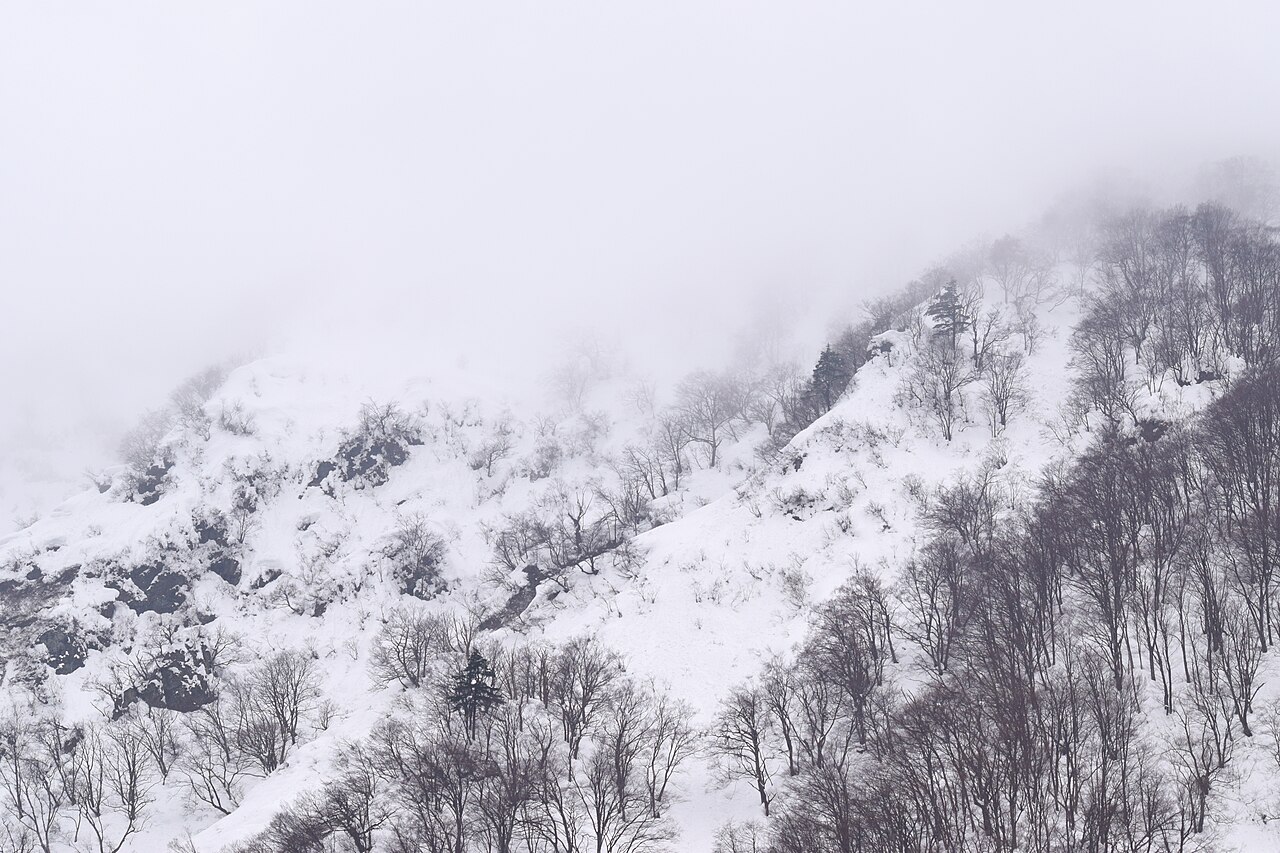
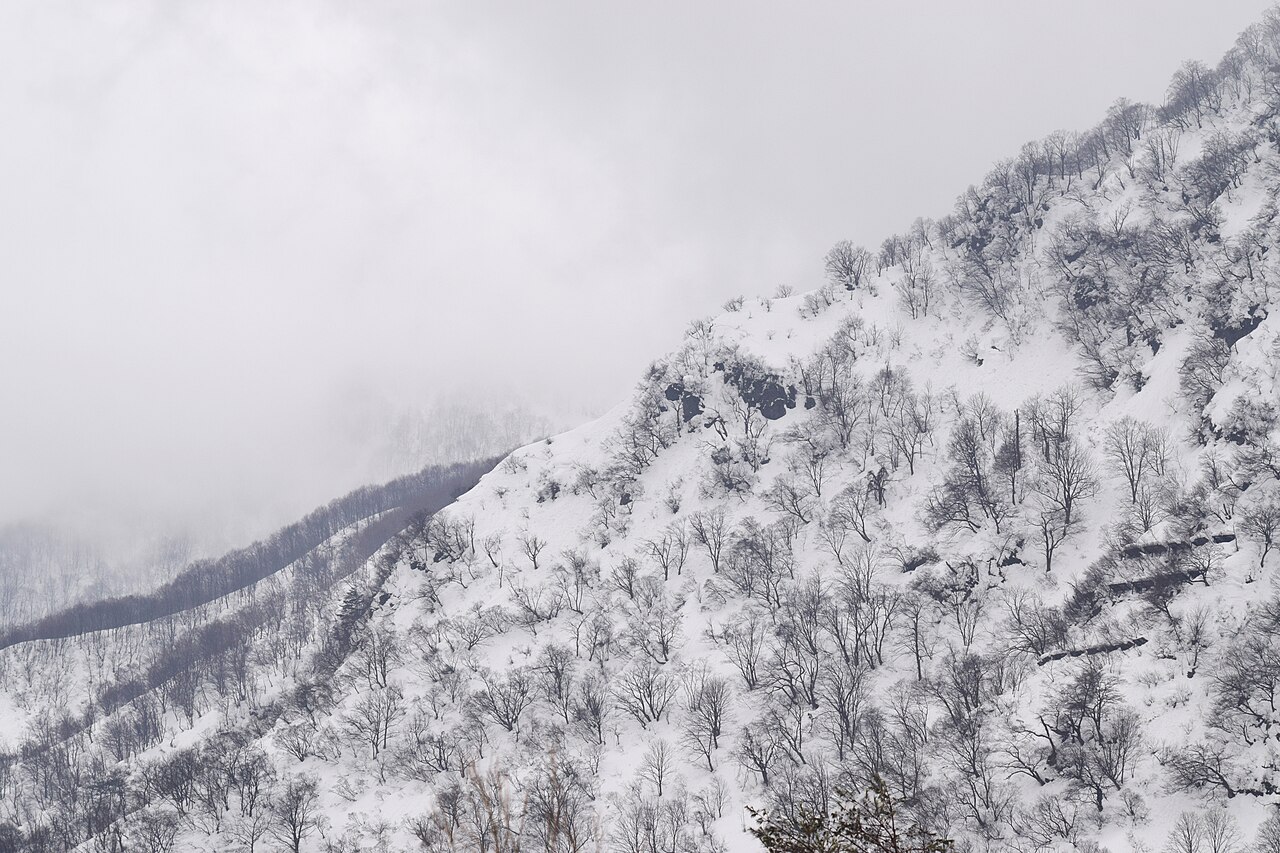
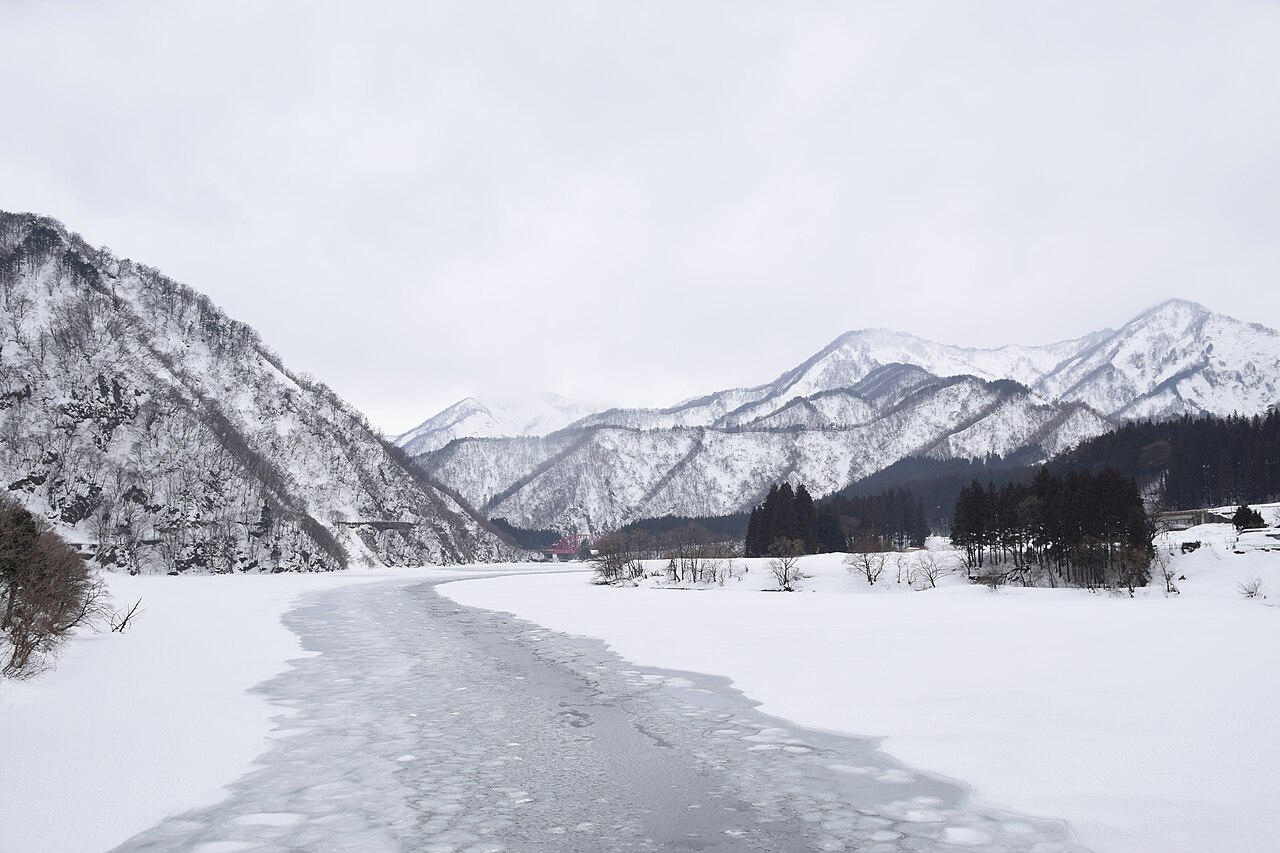
Frequently Asked Questions
Who is Niigata Prefecture?
Niigata is a prefecture stretching along Honshu's Sea of Japan coast in the Chūbu region, ranking fifth in Japan by land area at roughly 12,584 square kilometers. Its capital and most populous city shares the same name, Niigata.
What is Niigata Prefecture famous for?
The prefecture is best known as a premier rice-growing and sake-brewing region, fed by snowmelt rivers and broad alluvial plains. It also hosts the largest metropolitan area on the entire Sea of Japan coast.
How big is Niigata Prefecture compared to other prefectures?
At 12,584.18 km² it is the fifth-largest prefecture in Japan by area, yet its roughly 2.07 million residents (October 2025) are concentrated around a handful of cities including Niigata, Nagaoka, Jōetsu, and Sanjō.
What is the Niigata Major Metropolitan Area?
It is the urban cluster anchored by the city of Niigata, home to about 1.4 million people. The area holds the distinction of being the largest metro on the Sea of Japan coast and the twelfth-largest in all of Japan.
Why is Niigata Prefecture important to fans of Japanese geography?
Its long Sea of Japan coastline, heavy winter snowfall, and world-class sake and rice production give it a cultural identity quite distinct from Pacific-facing prefectures. It also serves as a key corridor linking the Chūbu interior to the northern Tōhoku region.
More in Prefectures Of Japan 25-39
Related in Prefectures Of Japan
Links follow this subject's own source article.
Elsewhere in the Prefectures Of Japan universe
Spotted an error? Know more?
This is a living reference — every entry is fact-audited, and reader corrections feed straight into our audit queue. Suggest an edit · See this site's audit record